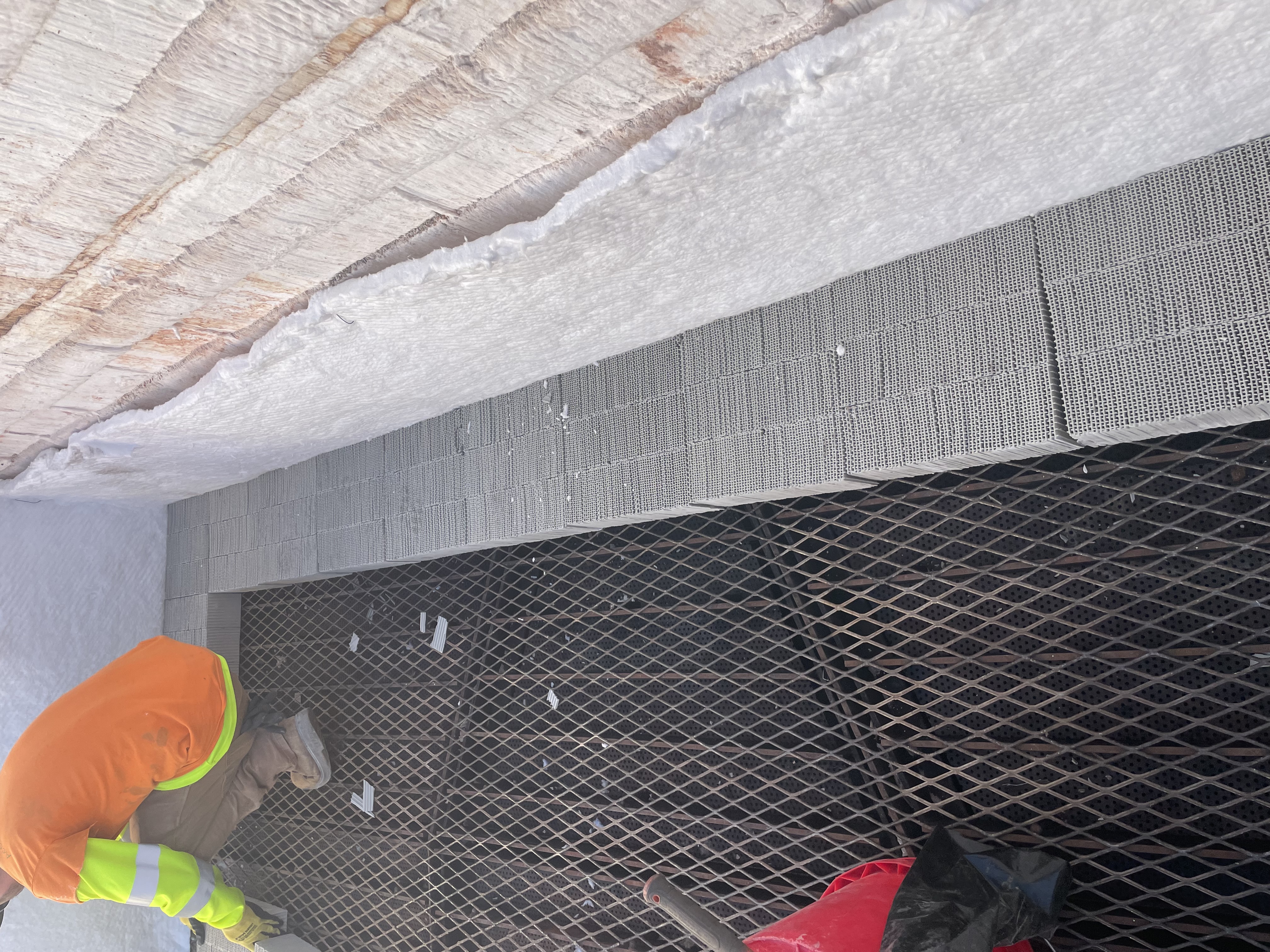
RTO Reliability Upgrade Restores 24/7 Operations
A 6,400 SCFM RTO serving 400,000+ residents was shutting down every 4-5 weeks due to silica-induced media blinding. CleanCap engineered silica-resistant structured ceramic media, upsized heat-recovery canisters, and Supplemental Fuel Injection (SFI) to restore predictable performance.
20%+
Downtime Reduction
3x Longer
Maintenance Intervals
Significant
Fuel Savings
Project At A Glance
Challenge
Silica Buildup & Chronic Shutdowns
Methodology
CLEAN Methodology applied for root cause analysis and targeted system redesign.
Outcome
- Downtime Reduction: 20%+
- Maintenance Intervals: 3x Longer
- Fuel Savings: Significant
Executive Summary
Encina Wastewater Authority in California operates a large biosolids and wastewater processing facility serving more than 400,000 residents. Their 6,400 SCFM, three-canister Regenerative Thermal Oxidizer (RTO) is responsible for treating odorous and organic-laden off-gases from sludge drying and wastewater handling processes. Over time, the system became increasingly unreliable due to silica-rich particulate entering the RTO, rapid media blinding, burner overuse due to poor heat recovery, frequent shutdowns every 4-5 weeks, and rising fuel consumption.
Customer Background
Encina Wastewater Authority is responsible for environmentally safe and regulatory-compliant management of municipal wastewater, biosolids, and resource recovery operations. Their success depends on continuous odor and emissions control, stable thermal oxidation of VOCs, and a resilient infrastructure able to withstand variable load conditions.
Project Background
Encina's plant generates significant particulate due to the biological and mineral nature of wastewater streams. Silica—common in sludge and wastewater vapors—deposits inside the RTO and becomes embedded within the ceramic media. Over months, this leads to obstructed airflow, restricted heat transfer, increased pressure drop, and suboptimal VOC destruction efficiency. The original RTO design and media selection were not optimized for high-silica applications.
The CLEAN Approach
Consult & Analyze
- Media Inspection & Silica Profiling: Findings included thick layers of compacted silica particulates at the media inlet, loss of porosity, and clogged passages reducing airflow uniformity.
- Differential Pressure & Flow Path Assessment: ΔP readings were increasing month over month, triggering burner compensation and accelerating valve and blower wear.
- Thermal & Combustion Evaluation: Data logs showed burners operating longer and at higher output, temperature fluctuations, and reduced preheat temperatures.
- Root Cause: Encina's RTO was not designed for high silica loading, leading to accelerated media fouling and overstressed burners.
Learn & Plan
- Silica-Resistant Structured Media: Selected media offering larger void spaces, lower initial ΔP, and resistance to ash-like deposition.
- Enlarged Heat-Recovery Canisters: Designed expanded canisters to reduce face velocity, improve airflow distribution, and increase heat-exchange surface area.
- Supplemental Fuel Injection (SFI): Engineered to maintain setpoint combustion chamber temperature without primary burner operation, reducing thermal stress and NOx generation.
- Execution Planning: Scheduled installation during a planned outage with prefabricated major components.
Execute with Precision
- Media Extraction & Replacement: Removed all silica-contaminated media and installed structured media with correct arrangement.
- Canister Expansion: Fabricated and installed enlarged canisters, adjusting ducting and seals.
- SFI Installation: Installed injection nozzles, fuel supply lines, and control valves, integrating SFI into the RTO PLC system.
- Final Integration: Verified valve sequencing, tested burner and SFI coordination, and conducted controlled heat-up cycles.
Assess & Document
- ΔP Trend Improvement: Post-upgrade differential pressure was significantly lower and increased at a slower rate.
- Heat Recovery Performance: Higher preheat temperature recovered from exhaust, leading to reduced burner firing.
- Temperature Stability: More stable combustion chamber temperature and better VOC destruction consistency.
- Deliverables: As-built drawings, commissioning report, media specifications, and updated maintenance plan.
Nurture & Maintain
- CleanCap provided a structured maintenance plan including quarterly media health assessment, annual SFI calibration, and a periodic media wash schedule based on actual fouling rates.
Results & Impact
Operational Gains
- 20%+ reduction in unplanned downtime
- Extended intervals between media cleaning
- Improved combustion stability
Cost Savings
- Lower fuel consumption
- Lower blower energy due to reduced ΔP
- Reduced emergency maintenance hours
Compliance
- More consistent VOC/odor destruction
- Lower NOx emissions
"Encina now operates an oxidizer system engineered for durability, efficiency, and resilience—not merely maintained, but fundamentally upgraded for modern wastewater operations."