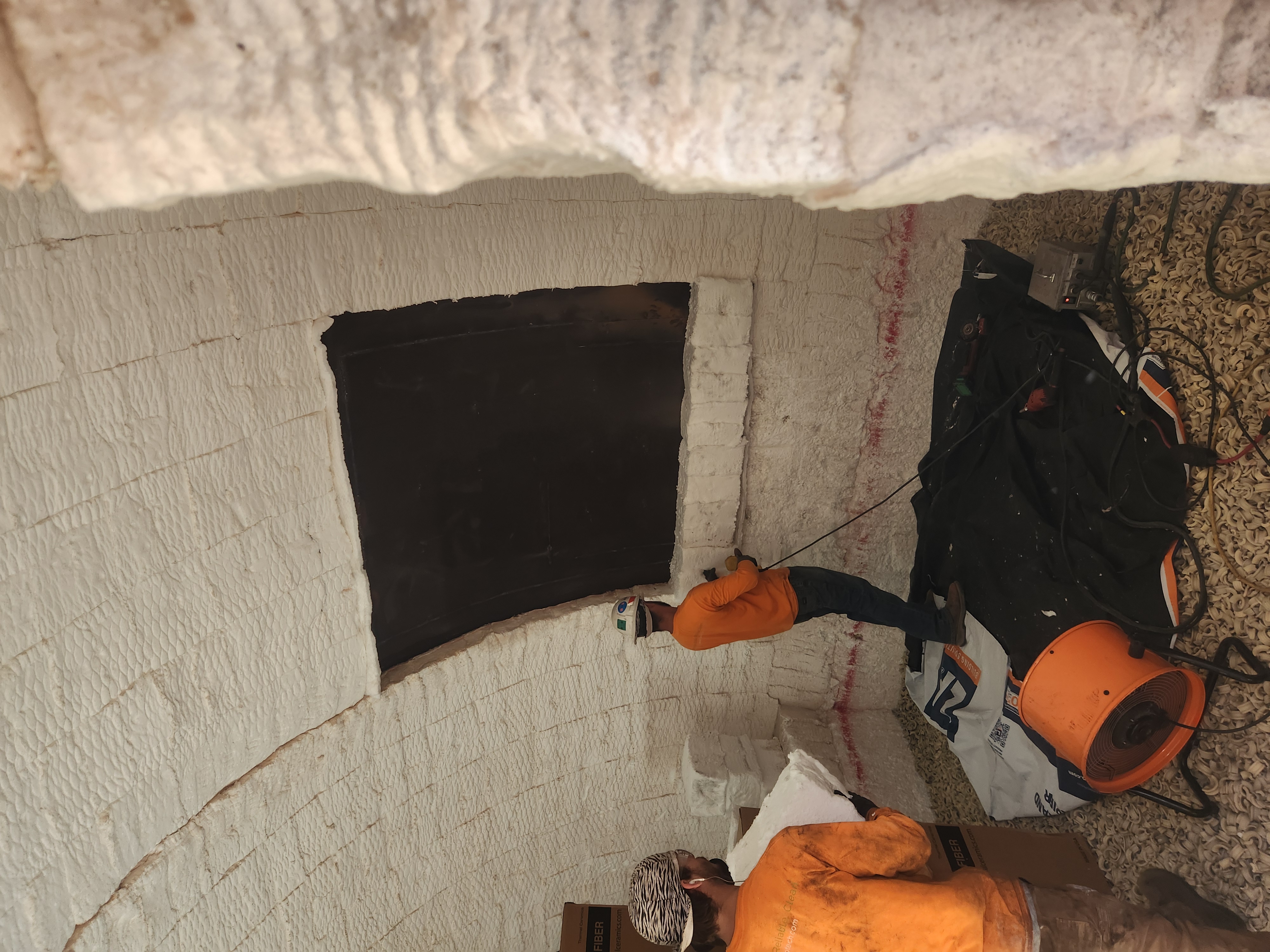
High-Temperature Vessel Insulation Relining
A high-temperature processing vessel showed exterior hot spots, performance drift, and rising energy costs. CleanCap's inspection revealed cracked refractory and deteriorated fiber blanket. Full relining with modern materials restored thermal stability and operator safety.
Minimized
Heat Loss
Safe
Shell Temps
Extended
System Life
Project At A Glance
Challenge
Thermal Performance Degradation
Methodology
Top-to-bottom thermal system assessment with engineered material selection.
Outcome
- Heat Loss: Minimized
- Shell Temps: Safe
- System Life: Extended
Executive Summary
A major industrial manufacturer (ET) operating high-temperature processing vessels reported declining thermal performance and rising energy usage. Symptoms included hot spots, performance drift, and visible refractory damage. CleanCap engineered and executed a full insulation relining solution using modern refractory materials, restoring thermal stability and energy efficiency.
Customer Background
ET operates multiple high-temperature process vessels for heat treating and thermal processing. Strict temperature profiles are required for product consistency. Operators noted hot spots and performance drift, classic signs of insulation breakdown.
Project Background
The vessel exhibited cracked refractory lining, fiber blanket deterioration, and joint separation. These failures increased operating costs and reduced process stability. ET engaged CleanCap for a full inspection and turnkey relining.
The CLEAN Approach
Consult & Analyze
- Inspection: Found vertical refractory cracks, delamination, and warped anchors.
- Performance Analysis: Measured external surface temperatures exceeding design.
- Modeling: Analysis showed heat loss had increased by 20-30%.
- Root Cause: Insulation system had reached end-of-life and required complete relining.
Learn & Plan
- Material Selection: Chose high-temperature ceramic fiber blanket for thermal resistance and dense insulating firebrick for structural support.
- System Design: Designed reinforced joint sealing system and exterior cladding improvements.
- Planning: Coordinated shutdown window and removal sequencing.
Execute with Precision
- Removal: Removed all compromised refractory and cleaned interior surfaces.
- Installation: Installed ceramic fiber blanket in multiple layers with staggered seams.
- Refractory: Installed firebrick in high-stress areas.
- Finishing: Installed new aluminum cladding and reinforced seams.
Assess & Document
- Validation: Thermal imaging confirmed no hot spots and reduced shell temperatures.
- Tracking: Documented reduced burner firing and faster warm-up times.
- Deliverables: As-built drawings, material certifications, and maintenance recommendations.
Nurture & Maintain
- Established maintenance roadmap including annual IR inspections and quarterly burner tuning.
Results & Impact
Operational Improvements
- Restored thermal efficiency
- Eliminated hot spots
- Improved zoning consistency
Safety Gains
- Significant reduction in external surface temperatures
- Reduced risk of injury
"CleanCap transformed ET's high-temperature vessel from a failing asset into a safe, efficient, and long-lasting thermal system."