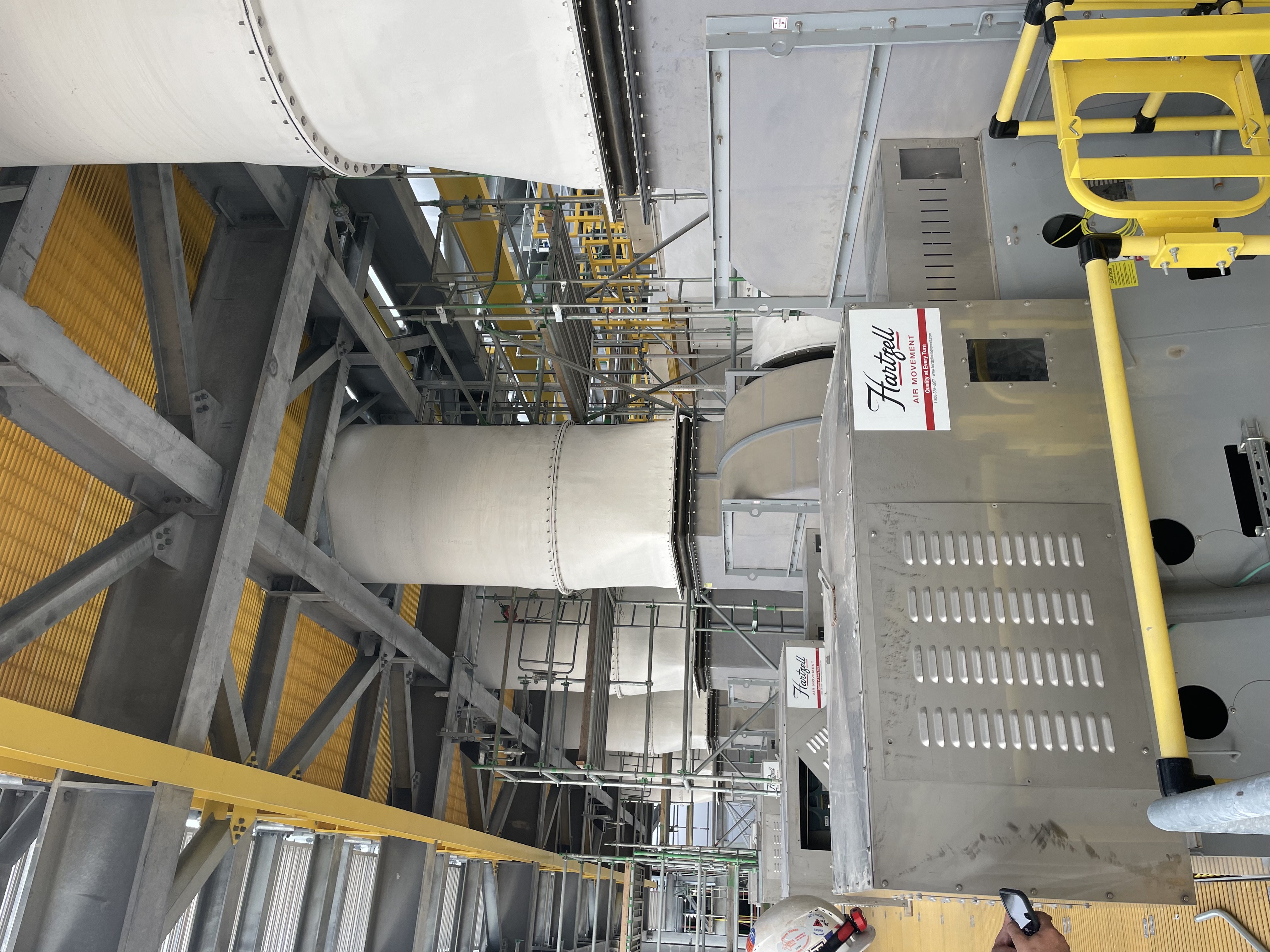
Wet Scrubber Conversion & Ammonium Sulfate Recovery
35,000 SCFM scrubbers producing dilute ammonium hydroxide faced costly neutralization and discharge penalties. CleanCap's feasibility study enabled conversion to sulfuric acid injection, creating concentrated ammonium sulfate suitable as fertilizer feedstock.
Reduced
Surcharges
Sellable
Byproduct
Eliminated
ANS Operation
Project At A Glance
Challenge
Wastewater Surcharges & Compliance
Methodology
Process modeling, pH control logic, and economic analysis for ROI validation.
Outcome
- Surcharges: Reduced
- Byproduct: Sellable
- ANS Operation: Eliminated
Executive Summary
A global Fortune 500 lighting manufacturer relied on wet scrubbers to remove ammonia from reactor off-gas streams. The system produced dilute wastewater requiring costly neutralization. CleanCap applied the CLEAN methodology to determine feasibility of converting to a controlled sulfuric acid injection system. This would allow production of concentrated ammonium sulfate, reducing wastewater surcharges and creating a potential byproduct revenue stream.
Customer Background
The customer operates large-scale semiconductor reactors emitting hydrogen and ammonia. Their existing system included packed tower wet scrubbers and a centralized Acid Neutralization System (ANS). Issues included high wastewater surcharges and lack of recoverable value from waste streams.
Project Background
The scrubbers operate at 35,000 SCFM each. Large volumes of water-only scrubbing produced dilute blowdown. The customer requested a feasibility study for conversion to sulfuric acid scrubbing to produce fertilizer-grade ammonium sulfate.
The CLEAN Approach
Consult & Analyze
- Scrubber Chemistry: Evaluated ammonia solubility and reaction kinetics with sulfuric acid.
- Blowdown Characterization: Analyzed pH variability and ammonium concentration.
- Modeling: Modeled scrubbers at various ammonia load conditions.
- Root Cause: System was not designed for controlled concentration or byproduct recovery.
Learn & Plan
- Blowdown Control: Designed conductivity/density-based control strategy.
- Acid Injection: Engineered injection skid with metering pumps and safety interlocks.
- Logic Development: Developed PLC control logic for pH and tank levels.
Execute with Precision
- CleanCap produced a fully detailed execution blueprint including skid design, automated blowdown system specs, and P&ID markups, enabling a turnkey installation.
Assess & Document
- Feasibility Report: Provided mass & energy balance, economic impact assessment (surcharge reduction), and regulatory compliance review.
Nurture & Maintain
- Outlined long-term operating model including sensor calibration and product quality verification.
Results & Impact
Operational Benefits
- Controlled ammonium sulfate concentration
- Reduced process variability
- Simplified wastewater treatment
Financial Benefits
- Lower wastewater surcharges
- Reduced ANS cost burden
- Potential byproduct revenue
"This project demonstrates how CLEAN transforms reactive maintenance into strategic process optimization with measurable financial benefit."